هل يدوم شد Deep Plane مدة أطول؟
لا تثبت الأدلة الحالية أن شد Deep Plane يدوم أطول لدى كل مريض. وتعتمد استمرارية النتيجة أيضاً على التشريح ونمط الشيخوخة ونطاق الجراحة وتنفيذها والالتئام ونمط الحياة.
إجابة مباشرة
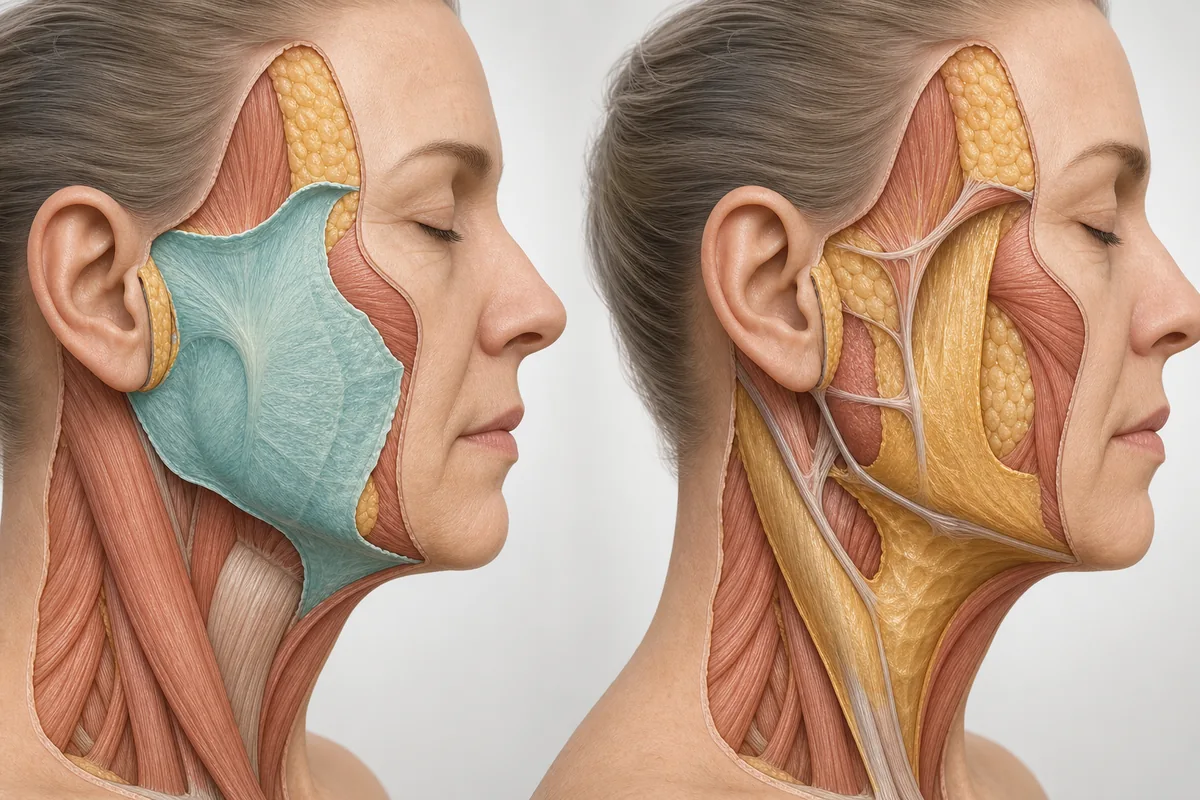
لا يقتصر الفرق على اسم تسويقي؛ بل يشمل مستوى التشريح وكيفية التعامل مع الأربطة الداعمة واتجاه إعادة تموضع الأنسجة. كما أن تقنيات SMAS متعددة. وتشير المراجعات المقارنة إلى فائدة كلا النهجين لدى مرضى مختارين من دون إثبات تفوق تقنية واحدة للجميع.
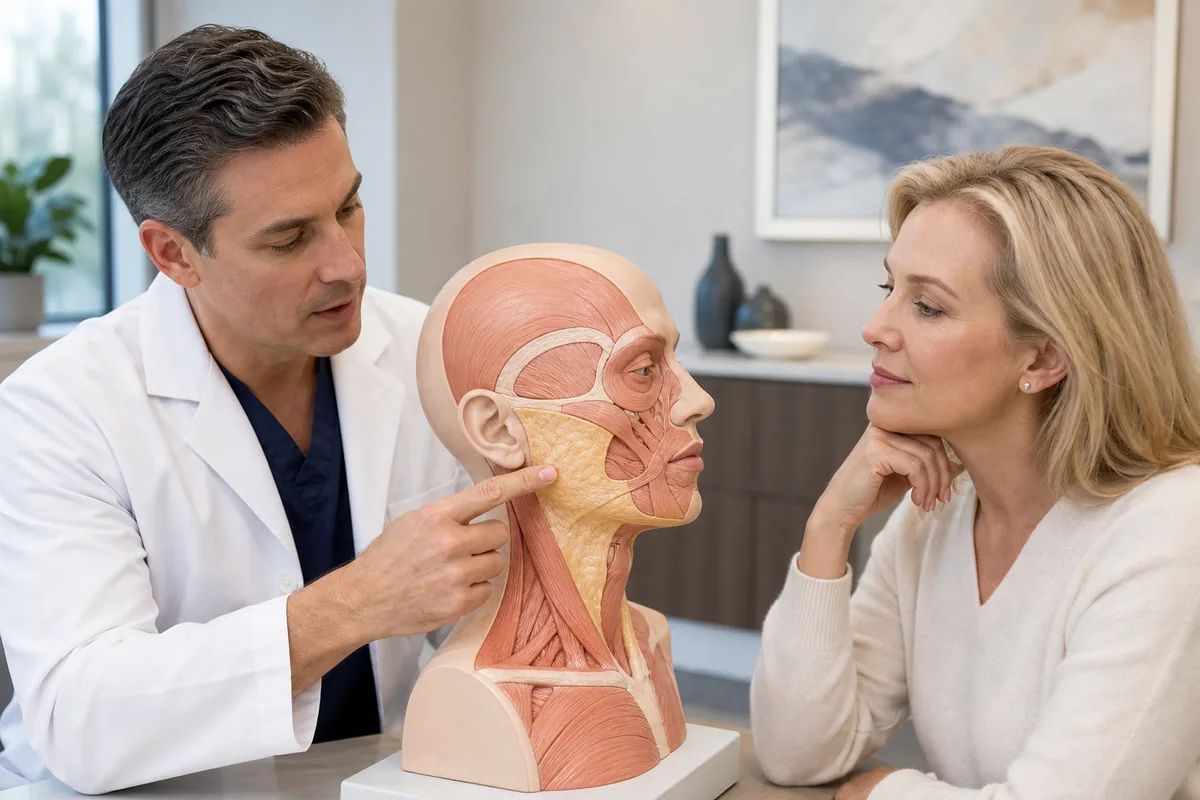
طبقة SMAS (النظام العضلي السفاقي السطحي) إحدى طبقات الدعم التي تُقيّم عند تخطيط شد الوجه. ولا تمثل SMAS الكلاسيكية وDeep Plane عمليتين موحّدتين، بل مجموعتين من التقنيات ذات تفاصيل مختلفة. تشمل الفروق مستوى التشريح وكيفية التعامل مع الأربطة الداعمة وإعادة وضع الأنسجة. لا يُختار النهج المناسب إلا بعد تقييم تشريح الوجه والرقبة والتاريخ الصحي والأهداف معاً.
في هذا الأسلوب يُتعامل مع الجلد و SMAS كطبقتين منفصلتين؛ ويُشدّ SMAS أو يُطوى (تثنية/طيّ). وهو أسلوب شائع وموثوق يعطي نتائج فعّالة في الحالات المناسبة.
في تقنية Deep Plane قد تُحرّر أربطة داعمة مختارة في مستوى أعمق ويُنقل الجلد مع SMAS معاً. ويختلف نطاق التشريح واتجاهات شد الوجه والرقبة بحسب المريض والطريقة.
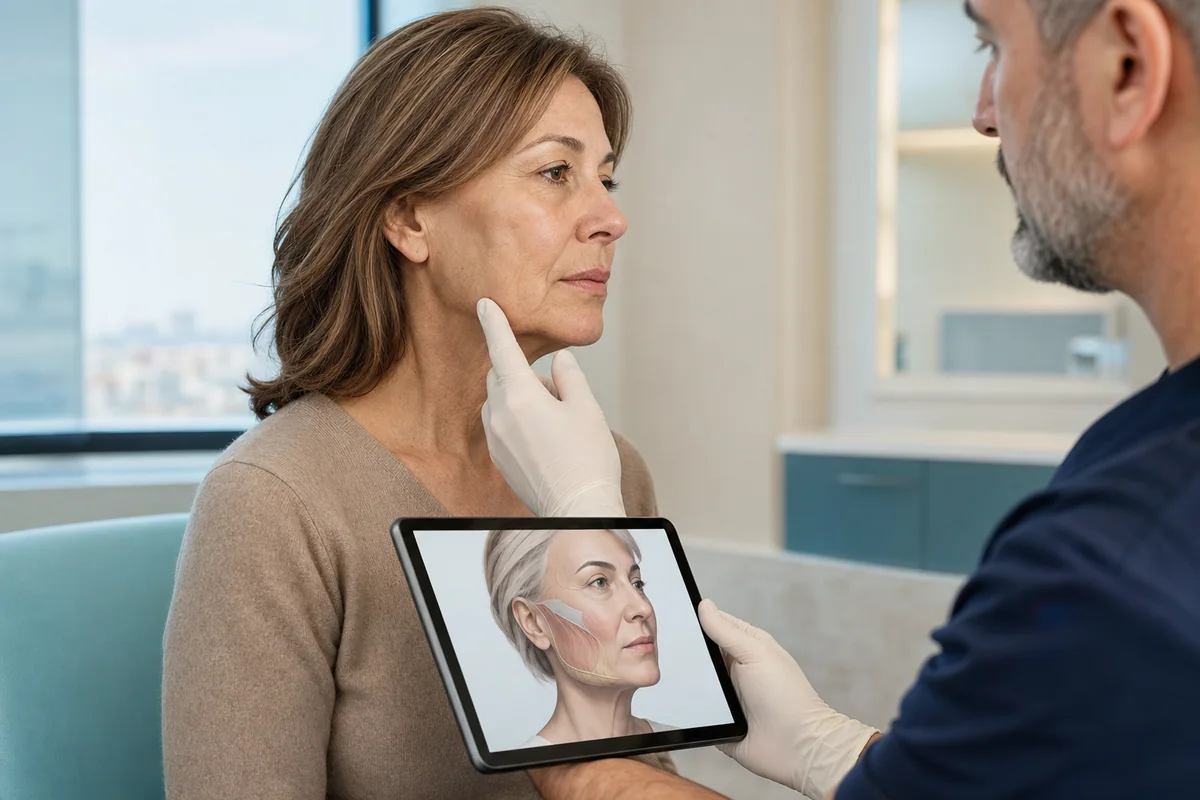
تشير المراجعات المنهجية الحديثة إلى إمكان فائدة النهجين لمرضى مختارين، لكن المقارنات المباشرة محدودة ومتباينة. ولا يمكن القول للجميع إن Deep Plane أكثر طبيعية أو دواماً أو إن SMAS أكثر أماناً. تُقيّم البشرة ومنتصف الوجه وخط الفك والرقبة والجراحات السابقة والصحة وخبرة الجرّاح.
يجب في النهجين مناقشة الورم الدموي والعدوى والندبات وعدم التناسق ومشكلات التئام الجلد وإصابة العصب المؤقتة أو الدائمة النادرة. وتُختار التقنية بعد الفحص واتخاذ القرار المشترك.
لا يحدد اسم التقنية وحده موعد العودة إلى العمل. يجب وضع خطة فردية للعناية بالجرح وأي أنابيب تصريف، والفحوص، والأدوية والعودة إلى الرياضة. حدّد مسبقاً جهة التواصل عند ظهور أعراض غير متوقعة.
لا تثبت الأدلة الحالية أن شد Deep Plane يدوم أطول لدى كل مريض. وتعتمد استمرارية النتيجة أيضاً على التشريح ونمط الشيخوخة ونطاق الجراحة وتنفيذها والالتئام ونمط الحياة.
شد الوجه Deep Plane نهج يمر فيه التشريح تحت طبقة SMAS في مناطق محددة وتُحرَّر الأربطة الداعمة، فيُعاد توضيع الجلد والأنسجة العميقة معاً، خاصةً في منتصف الوجه. وهو وصف لتقنية جراحية ولا يضمن نتيجة أكثر طبيعية أو أطول دواماً للجميع. وتُحدَّد الملاءمة في الفحص.
تدعم هذه المصادر المعلومات الطبية العامة ولا تستبدل التقييم الفردي.
تواصلوا معنا لمزيد من المعلومات أو لحجز موعد بخصوص هذا الموضوع.
شد الوجه في إسطنبول: التقييم والتقنية والتعافيمسؤول النشر:

أخصائي أنف وأذن وحنجرة
يجمع بين اختصاص الأنف والأذن والحنجرة وبين تقييم وظيفة الأنف وتشريح الوجه والتخطيط للجراحة التجميلية.
تقييم أولي شخصي
شارك استفسارك وصورك إن توفرت. يقدّم التقييم الأولي إرشادًا عامًا، أما الخطة النهائية فتتطلب الفحص.