هل ثبت أن شد Deep Plane أكثر طبيعية أو دواماً؟
لا تثبت الأدلة المقارنة أن شد Deep Plane أكثر طبيعية أو أطول دواماً لكل مريض. تعتمد النتيجة على التشريح ونطاق العملية الفعلي والتنفيذ والالتئام ونمط التقدم في العمر.
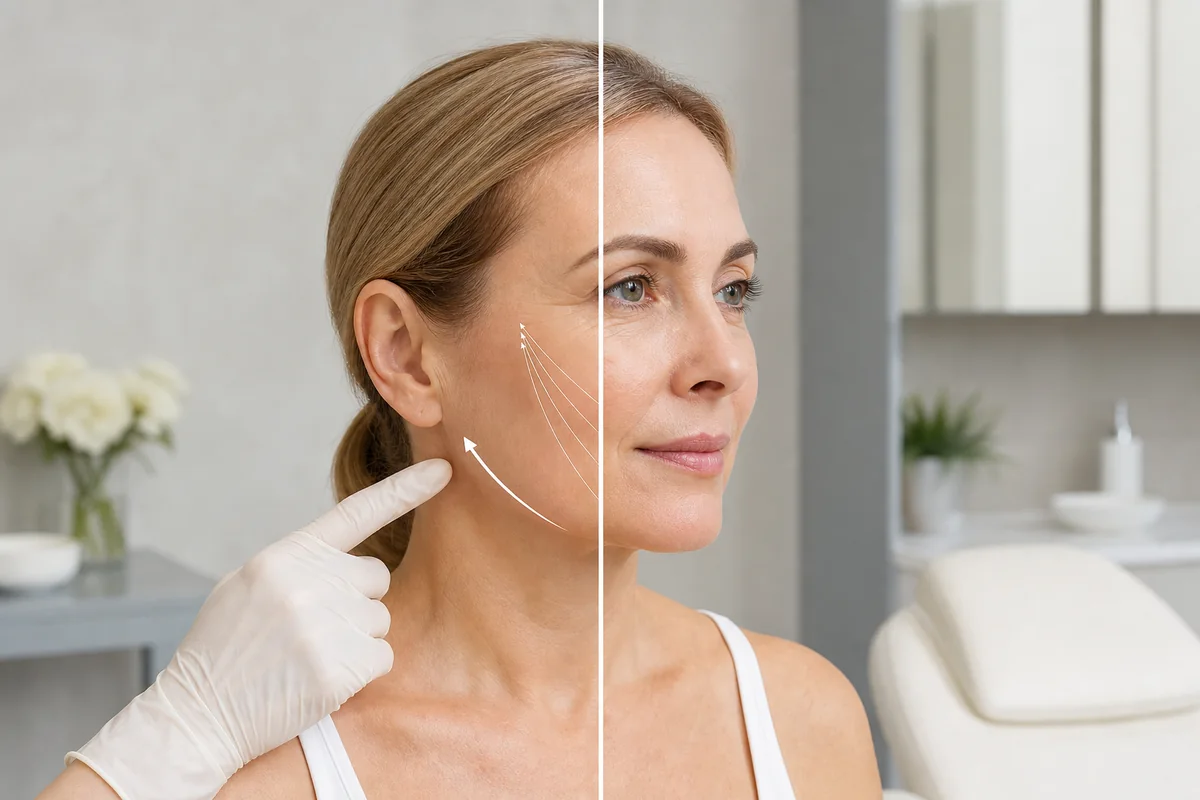
صورة توضيحية · مولّدة بالذكاء الاصطناعي
إجابة مباشرة
لا. يختلف نطاق خيوط الشد ومخاطرها وتعافيها عن شد الوجه الجراحي. ويتحدد إمكان التفكير في أي منهما بعد الفحص وفق مصدر الترهل والجلد الزائد وتشريح الوجه والرقبة والصحة والتوقعات.
حين يطرح المرضى هذا السؤال، فهم في الغالب يبحثون عن إجابة لتساؤل واحد: هل يمكنني الحصول على أفضل نتيجة بأقل تدخل ممكن؟ الإجابة الصادقة: كلتا الطريقتين فعّالة حين تُطابق الحالة المناسبة، وكلتاهما مخيّبة للآمال حين لا يكون الاختيار صحيحاً.
يعتمد رفع الخيوط على إدخال خيوط ذات أشواك تحت الجلد عبر إبر دقيقة، مما يتيح رفع الأنسجة المترهلة نحو الأعلى. وتُجرى غالباً تحت تخدير موضعي عبر نقاط دخول صغيرة، دون الشقوق الطويلة المستخدمة في شد الوجه الجراحي.
المزايا: إجراء أكثر محدودية ويُخطط له عادةً تعافٍ أقصر. ومع ذلك توجد مخاطر مثل بروز الخيط وخروجه والعدوى والألم والتورم والكدمات وصعوبة مؤقتة في فتح الفم ونتيجة غير مرضية؛ وتختلف العودة إلى الحياة اليومية من شخص لآخر.
القيود: التأثير مؤقت وتختلف مدته بحسب نوع الخيط والأنسجة والشخص؛ لا تُزيل الجلد الزائد بل تعيد توضيع الأنسجة فحسب؛ في الترهل الشديد تظل النتيجة محدودة؛ وقد تحدث هجرة الخيوط أو عدم تناسق.
باختصار: خيوط الشد خيار مناسب للترهل المبكر لدى من يتمتعون بتوتر جلدي جيد ويتوقعون تجديداً خفيفاً.
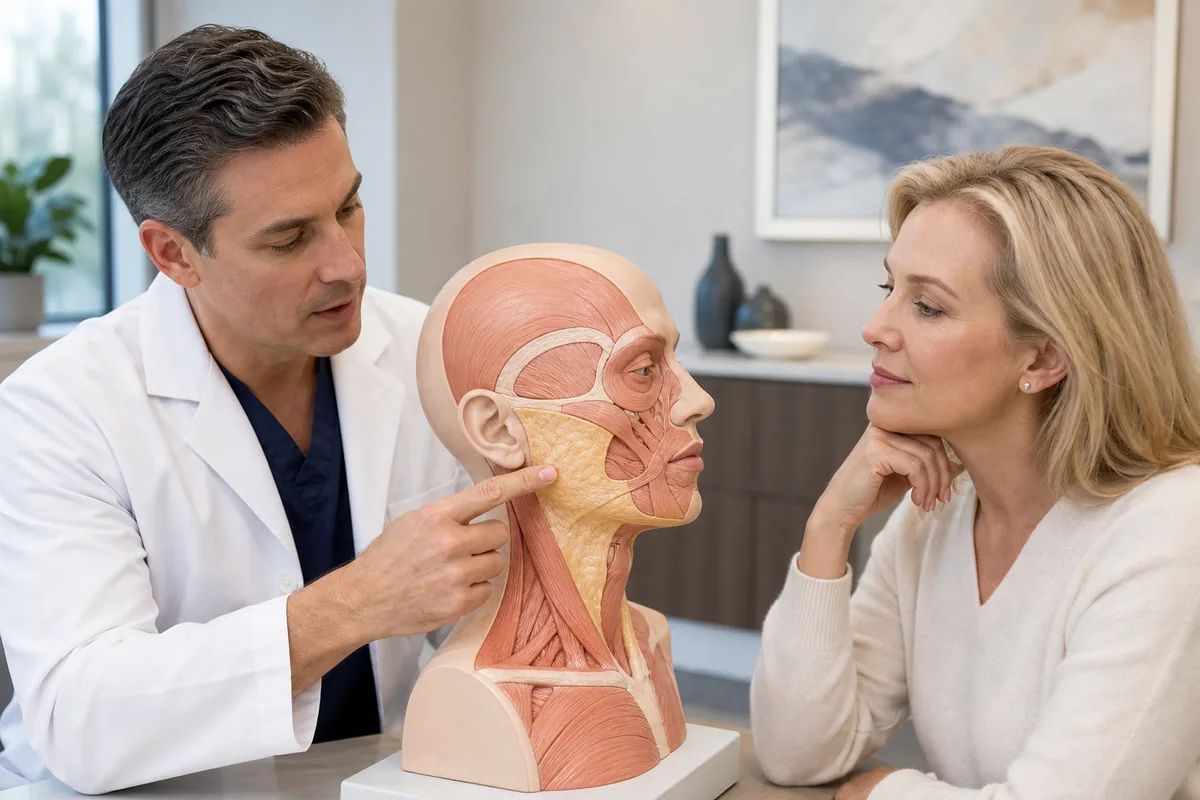
شد الوجه الجراحي يُجرى عبر شقوق حول الأذنين، يعمل من خلالها الجراح على الطبقات العميقة — طبقة SMAS أو في تقنية Deep Plane عضلة البلاتيسما وحجرات الدهون — مع إعادة تموضعها لا مجرد شدّها. الهدف تصحيح بنيوي لا شدّ سطحي.
تقنية Deep Plane: نهج تُحرَّر فيه الأربطة الداعمة في مستوى أعمق، خاصةً لمعالجة منتصف الوجه. ولا تثبت الأدلة المقارنة أن Deep Plane أدوم أو أكثر طبيعية لكل مريض؛ وتُختار التقنية بحسب التشريح والهدف.
المزايا: يمكنه إزالة الجلد الزائد وإعادة توضيع الأنسجة العميقة، لذا قد يُنظر فيه في الترهل المتوسط إلى المتقدم حيث تكون الخيوط محدودة. وتختلف مدة النتيجة من شخص لآخر ويستمر التقدم في العمر.
العيوب: يتطلب تخديراً عاماً أو تهدئة وشقوقاً حول الأذنين وتعافياً أطول. وتشمل المخاطر الجراحية النزف وتجمع السوائل وإصابة العصب الوجهي والخدر ومشكلات التئام الجروح والندبات غير المرغوبة؛ وخطة العودة إلى النشاط فردية.
| الخاصية | خيوط الشد | شد الوجه الجراحي |
|---|---|---|
| التخدير | موضعي غالباً | تخدير عام / تهدئة |
| الشقوق | نقاط دخول صغيرة | شقوق حول الأذنين |
| التعافي | أقصر عادةً؛ فردي | أطول؛ فردي |
| مدة التأثير | مؤقتة؛ متفاوتة | تختلف من شخص لآخر؛ ويستمر التقدم في العمر |
| إزالة الجلد الزائد | لا | نعم |
| تصحيح بنيوي عميق | محدود | نعم |
| الترهل الذي يُنظر فيه عادةً | خفيف | متوسط إلى متقدم |
قد يُنظر في خيوط الشد عند: ترهل مبكر وخفيف؛ جودة جلد جيدة نسبياً؛ تفضيل إجراء أكثر محدودية؛ قبول تغيير مؤقت ومحدود.
قد يُنظر في شد الوجه الجراحي عند: ترهل متوسط إلى متقدم؛ جلد زائد واضح أو حبال بلاتيسما؛ هدف تصحيح أشمل؛ حالة صحية تسمح بالجراحة.
وضعت خيوطاً ولم أرَ نتيجة. ماذا أفعل؟ يُقيَّم أولاً في الفحص الحضوري ما لم يُرضِك في النتيجة ودرجة الترهل الحالية. ويؤخذ نوع الخيوط السابقة وتوقيتها في الحسبان عند التخطيط الجراحي؛ ولا يحتاج كل مريض إلى جراحة.
هل سيبدو الشد واضحاً؟ يعتمد المظهر على تشريح الوجه والنطاق الجراحي الفعلي وموضع الشقوق والالتئام الفردي. المظهر الطبيعي هدف لا ضمان؛ وتُناقش الندبات والتعافي في استشارة حضورية.
خيوط الشد وشد الوجه الجراحي ليسا منافسَين، بل إجابتان مختلفتان لاحتياجات مختلفة. الاختيار الصحيح يتحدد بدرجة الترهل وتوقعاتك وحالتك الصحية في استشارة مباشرة.
لا تثبت الأدلة المقارنة أن شد Deep Plane أكثر طبيعية أو أطول دواماً لكل مريض. تعتمد النتيجة على التشريح ونطاق العملية الفعلي والتنفيذ والالتئام ونمط التقدم في العمر.
لا يوجد يوم موحّد للعودة إلى العمل أو النشاط الاجتماعي. يغيّر نطاق الإجراء والتخدير والتورم والكدمات وفحص الجرح وطبيعة العمل والالتئام الفردي الخطة.
تدعم هذه المصادر المعلومات الطبية العامة ولا تستبدل التقييم الفردي.
تواصلوا معنا لمزيد من المعلومات أو لحجز موعد بخصوص هذا الموضوع.
شد الوجه في إسطنبول: التقييم والتقنية والتعافيمسؤول النشر:

أخصائي أنف وأذن وحنجرة
يجمع بين اختصاص الأنف والأذن والحنجرة وبين تقييم وظيفة الأنف وتشريح الوجه والتخطيط للجراحة التجميلية.
تقييم أولي شخصي
شارك استفسارك وصورك إن توفرت. يقدّم التقييم الأولي إرشادًا عامًا، أما الخطة النهائية فتتطلب الفحص.