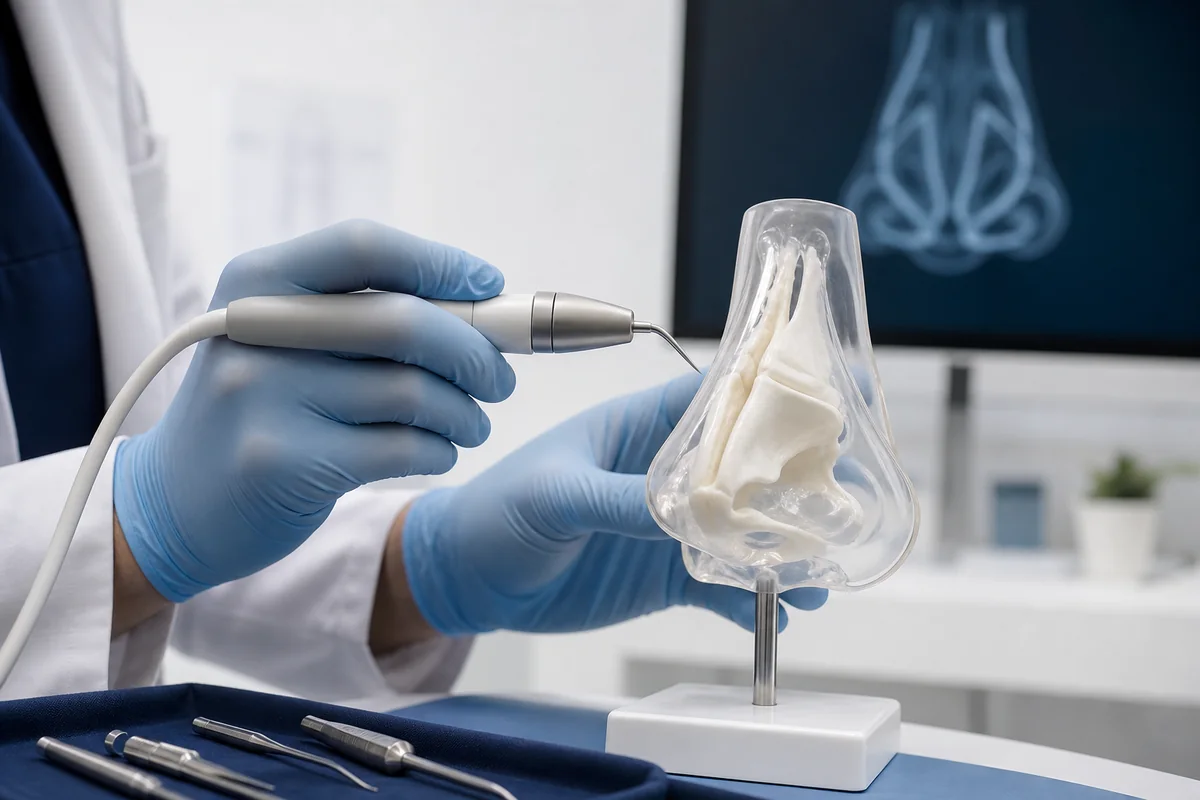
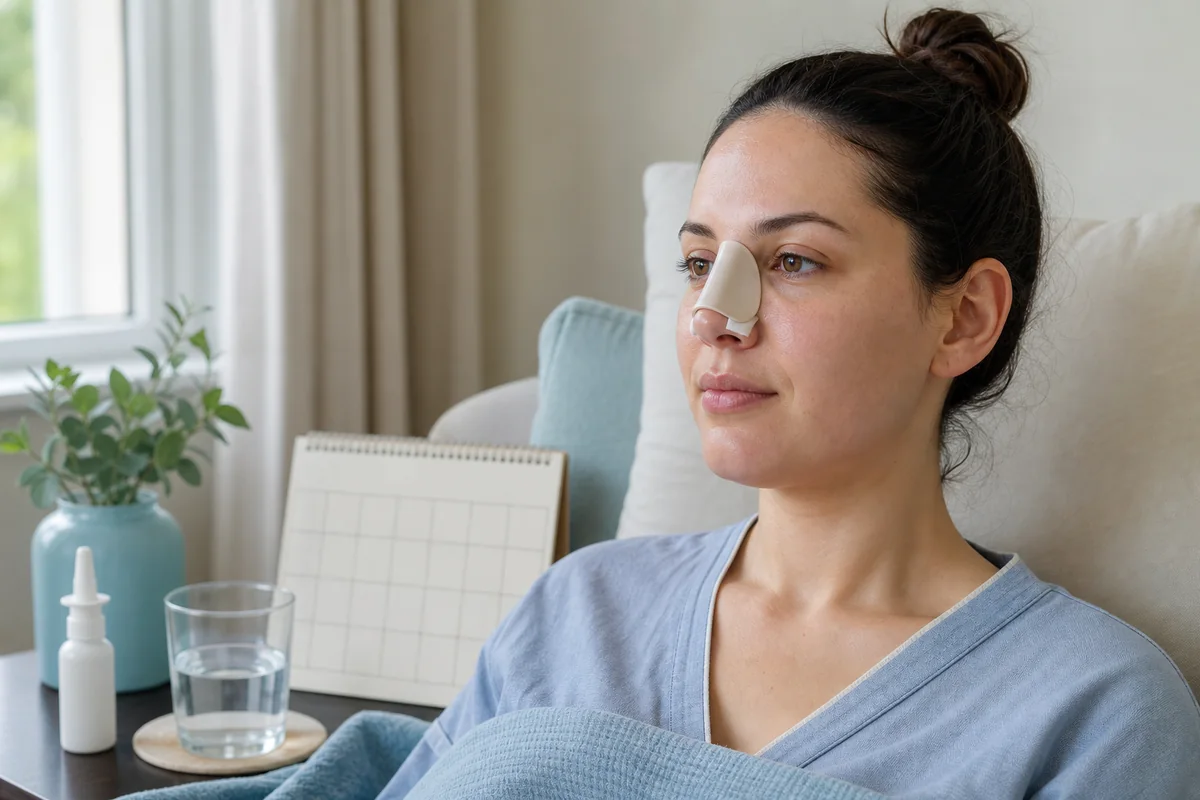
هل يمكن لجراحة الأنف المعوج أن تجعله مستقيماً تماماً؟
لا يمكن ضمان الاستقامة التامة أو التماثل الدقيق. قد يؤثر سبب الاعوجاج وشدته والكسر القديم والجلد والندبات والدعم البنيوي والجراحات السابقة في النتيجة؛ وتحتاج الأهداف والحدود الشخصية إلى فحص.
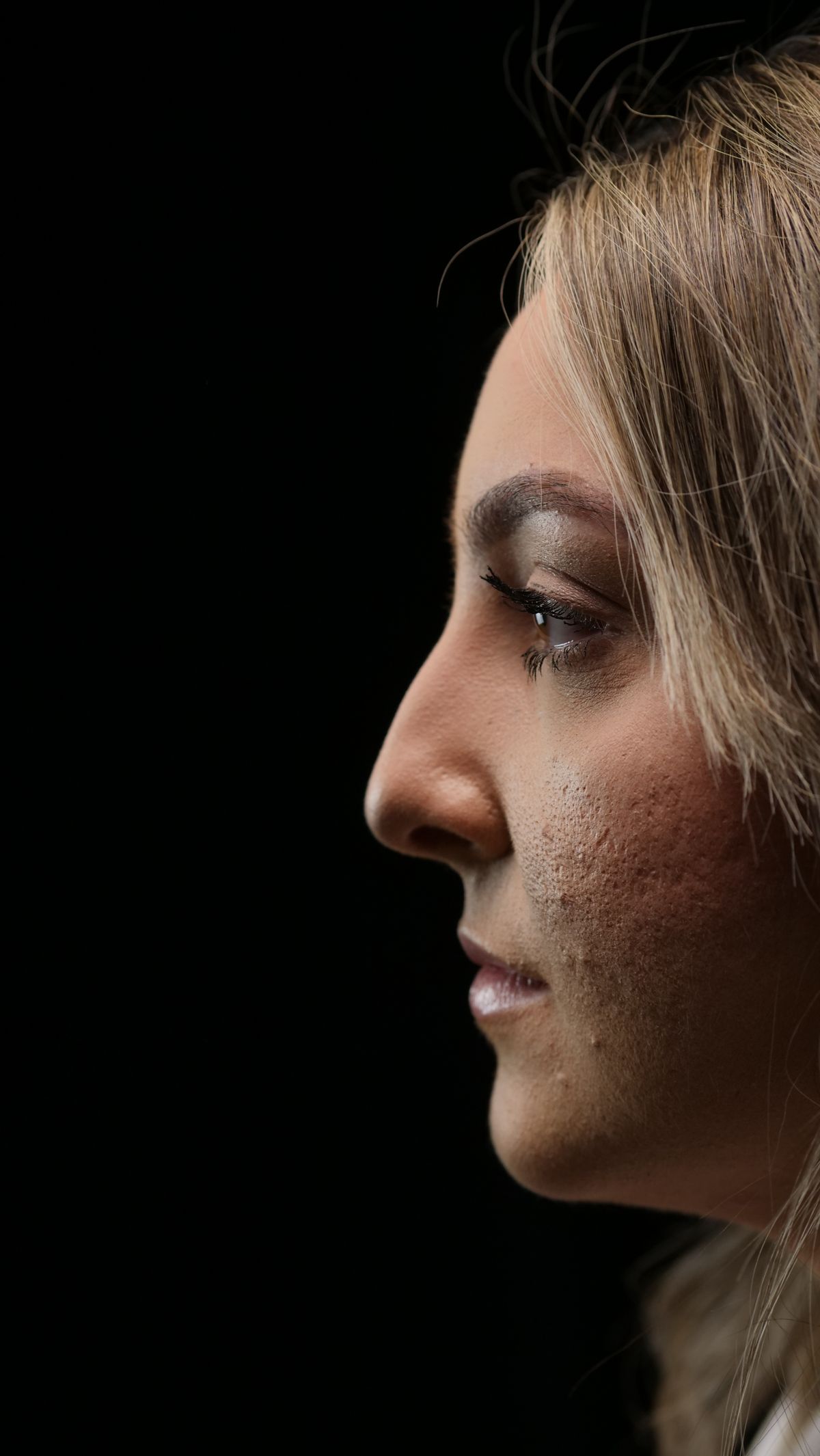
إجابة مباشرة
لا تحاول تقويم الأنف المصاب حديثاً بنفسك. اطلب تقييماً محلياً سريعاً في الطوارئ أو لدى اختصاصي الأنف والأذن والحنجرة لفحص النزيف ومجرى الهواء والحاجز وإصابة الوجه أو الرأس المحتملة. تختلف رعاية الكسر الحديث عن تجميل الانحراف الملتئم.
إجابة مباشرة: إذا تغيّر شكل الأنف بعد إصابة حديثة فلا تتعامل معه كمشكلة تجميلية فقط أو كسؤال عن عملية مستقبلية. اطلب تقييماً محلياً سريعاً في الطوارئ أو لدى اختصاصي الأنف والأذن والحنجرة لفحص النزيف ومجرى الهواء والحاجز وإصابات الوجه أو الرأس المصاحبة، ولا تحاول تقويم الأنف بنفسك. يختلف تدبير الكسر الحديث عن الجراحة الاختيارية لانحراف التأم منذ أشهر أو سنوات.
النزيف الذي لا يتوقف، والجرح المفتوح، وخروج سائل مائي صافٍ، وتشوش الرؤية أو ازدواجها، والصداع الشديد، والقيء أو تغير الوعي، وأعراض الرقبة، ووجود تورم أرجواني داخل الأنف مع انسداد متزايد تستلزم تقييماً طبياً عاجلاً. لا تشخّص هذه المقالة الإصابة الحادة ولا تستبدل رعاية الطوارئ المحلية.
هو انحراف المحور الخارجي للأنف عن خط منتصف الوجه. قد يرتبط بالنمو أو بكسر واحد أو إصابات رياضية متكررة أو جراحة سابقة أو عدم تماثل دعم العظم والغضروف. لا يثبت الاعوجاج الظاهر وحده انحراف الحاجز أو خلل صمام الأنف أو سبب صعوبة التنفس.
قد يبدو الأنف مستقيماً نسبياً مع وجود انحراف في الحاجز، وقد يحدث العكس. لا تكفي الصورة لتحديد الحاجة إلى رأب الحاجز أو الوعد بتحسن التنفس.
الإصابة الحديثة: قد يشوّه التورم المظهر المبكر. يقيّم الطبيب وقت الإصابة وتغير الشكل والنزيف والتنفس والمشكلات العاجلة داخل الحاجز. قد يُناقش ردّ العظام في حالات مختارة بعد تقييم التورم وقبل ثباتها، لكن النافذة المناسبة قرار سريري وليست مهلة موحدة من الإنترنت.
الكسر الملتئم أو الانحراف القديم: بعد التئام العظم والغضروف في وضع متغير يمكن مناقشة رأب الحاجز أو تجميل الأنف أو العملية المشتركة بعد تقييم كامل. لا يحتاج كل أنف معوج إلى جراحة.
يساعد تدريب الأنف والأذن والحنجرة في تقييم مجرى الهواء الداخلي، لكن اسم الاختصاص وحده لا يثبت النتيجة. تحقّق من هوية الجرّاح ووثيقة اختصاصه والتدريب ذي الصلة وخبرة الحالات المشابهة وترخيص المنشأة وخطة المتابعة المكتوبة.
يعالج رأب الحاجز مشكلات داخلية مختارة، ويعالج تجميل الأنف الشكل والدعم الخارجيين، وقد تجمع عملية الحاجز والأنف دواعي منفصلة في المنطقتين. لا يعني الجمع تلقائياً أماناً أو نجاحاً أكبر أو تعافياً أسرع.
قد تكون القطوع العظمية أو الغرز أو طعوم الغضروف أو مداخل جراحية مختلفة خيارات لتشريح معين. يُختار الإجراء وفق مصدر الاعوجاج والحاجة إلى الدعم؛ اسم التقنية ليس ترتيباً للجودة.
لا يمكن ضمان أنف مستقيم تماماً أو تماثل دقيق أو مظهر محدد أو تحسن التنفس. قد تؤثر الكسور القديمة والانحراف الشديد والندبات وخصائص الجلد والجراحات السابقة في النتيجة واحتمال المراجعة.
تختلف مدة الجبيرة والكدمات والتورم والعودة إلى العمل أو الرياضة والتغير طويل المدى بحسب نطاق العملية والتعافي الفردي. لا يوجد وعد موحد بـ«التعافي خلال أسبوع» أو انتهاء التورم خلال 3–4 أسابيع أو نتيجة نهائية في شهر محدد. اقرأ دليل التعافي بعد تجميل الأنف وعلامات الخطر.
تجميل الأنف ليس خالياً من المخاطر. يجب مناقشة مخاطر التخدير والنزيف والعدوى وصعوبة التنفس وثقب الحاجز وتغير الإحساس ومشكلات الالتئام أو الندبات وعدم الرضا واحتمال جراحة المراجعة.
للكسر الحديث اطلب تقييماً محلياً عاجلاً بدلاً من التخطيط للسفر الدولي. يمكن للمراجعة الأولية عن بعد تنظيم المعلومات لانحراف ملتئم، لكن التشخيص وقرار العملية يحتاجان إلى فحص حضوري. لا توجد مدة إقامة أو يوم طيران آمن موحد؛ يجب أن تراعي الخطة المكتوبة أول مراجعة والنزيف والتورم والجبيرة والإجراءات الإضافية والخطر الشخصي ومدة الرحلة.
لا يمكن ضمان الاستقامة التامة أو التماثل الدقيق. قد يؤثر سبب الاعوجاج وشدته والكسر القديم والجلد والندبات والدعم البنيوي والجراحات السابقة في النتيجة؛ وتحتاج الأهداف والحدود الشخصية إلى فحص.
لا. لا يحدد الاعوجاج الخارجي وحده سبب الانسداد. يجب فحص الحاجز وصمام الأنف والأسباب المحتملة الأخرى داخلياً وخارجياً؛ ولا يُخطط لرأب الحاجز أو العملية المشتركة إلا عند وجود داعٍ وظيفي مستقل.
تدعم هذه المصادر المعلومات الطبية العامة ولا تستبدل التقييم الفردي.
تواصلوا معنا لمزيد من المعلومات أو لحجز موعد بخصوص هذا الموضوع.
تجميل الأنف في تركيا: الإجراء والاستشارةمسؤول النشر:

أخصائي أنف وأذن وحنجرة
يجمع بين اختصاص الأنف والأذن والحنجرة وبين تقييم وظيفة الأنف وتشريح الوجه والتخطيط للجراحة التجميلية.
تقييم أولي شخصي
شارك استفسارك وصورك إن توفرت. يقدّم التقييم الأولي إرشادًا عامًا، أما الخطة النهائية فتتطلب الفحص.