What Should I Do If My Nose Looks Crooked After an Injury?
Direct answer: If the shape of your nose changed after a recent injury, do not treat it only as a cosmetic concern or a future rhinoplasty question. Seek prompt local emergency or ENT assessment for bleeding, the airway, the septum and associated facial or head injury; do not try to straighten it yourself. Management of a recent fracture is different from elective surgery for a nose that healed crooked months or years ago.
Which Signs Need Urgent Assessment?
Bleeding that will not stop, an open wound, clear watery drainage, blurred or double vision, severe headache, vomiting or altered consciousness, neck symptoms, or a purple swelling inside the nose with increasing blockage require urgent medical assessment. This article does not diagnose an acute injury or replace local emergency care.
What Is a Crooked Nose?
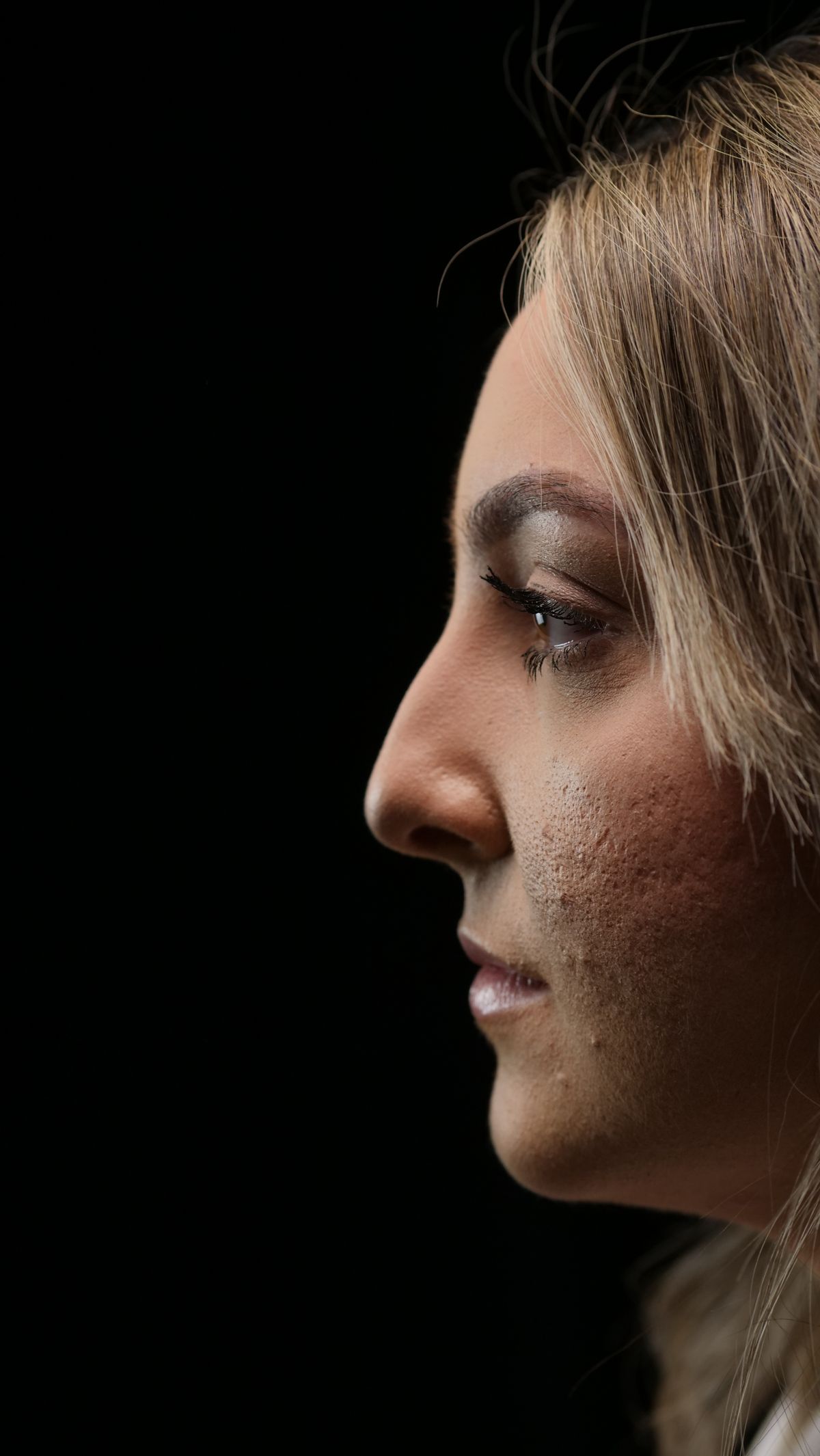
A crooked nose is an external nasal axis that departs from the facial midline. It may relate to development, one fracture, repeated sports injuries, previous surgery or asymmetric bone and cartilage support. Visible crookedness alone does not prove septal deviation, nasal-valve dysfunction or the cause of a breathing symptom.
The outside may look relatively straight while the septum is deviated, and the reverse is also possible. A photograph cannot establish that septoplasty is needed or that surgery will improve breathing.
Recent Fracture Versus a Healed Crooked Nose
Recent injury: Swelling can distort the early appearance. A clinician assesses the timing, change in shape, bleeding, breathing and urgent septal findings. Manipulation may be considered for selected deformities after swelling is reviewed and before the bones set, but the usable window is a clinical decision—not one universal internet deadline.
Healed fracture or long-standing deviation: Once bone and cartilage have healed in a changed position, elective septoplasty, rhinoplasty or septorhinoplasty may be discussed after a full assessment. Not every crooked nose requires surgery.
What Should the Consultation Assess?
- Onset, injury timeline and previous nasal surgery
- External axis, bone-cartilage support and facial asymmetry
- Septum, nasal valve and other possible causes of obstruction
- Side, duration and daily impact of breathing symptoms
- The change you want and features you want to preserve
- General health, medicines, smoking and surgical risk
ENT training supports internal airway assessment, but a specialty label alone does not prove an outcome. Verify the individual surgeon's identity, recognised credential, relevant training, comparable-case experience, licensed facility and written follow-up plan.
Which Operations May Be Discussed?
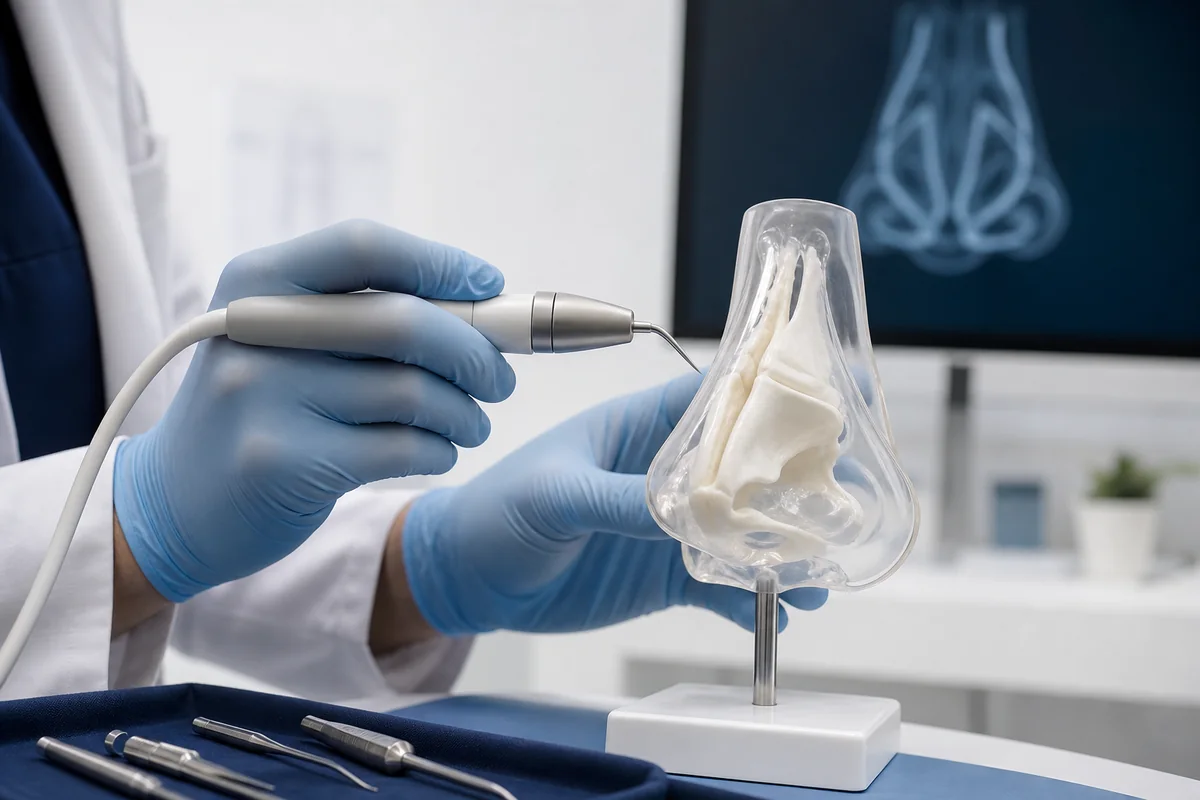
Septoplasty addresses selected internal septal problems, rhinoplasty addresses external form and support, and septorhinoplasty may address separate indications in both areas. Combining procedures is not automatically safer, more successful or faster to recover from.
Osteotomies, sutures, cartilage grafts or different surgical approaches may be options for particular anatomy. The proposed step should follow the source of the deviation and support needs; a technique name is not a quality ranking.
Realistic Limits on Results and Recovery
A perfectly straight nose, exact symmetry, a specific appearance or guaranteed breathing improvement cannot be promised. Old fractures, severe deviation, scar tissue, skin characteristics and previous operations can affect the result and the possibility of revision.
Splint use, bruising and swelling, return to work or sport, and long-term change vary with the operation and individual healing. There is no universal promise of “one-week recovery,” swelling ending in 3–4 weeks or a final result at a fixed month. See the detailed rhinoplasty recovery and warning-sign guide.
Rhinoplasty is not risk-free. Anaesthesia risk, bleeding, infection, breathing difficulty, septal perforation, altered sensation, healing or scarring problems, dissatisfaction and possible revision should be discussed.
Planning from Another Country
For a new fracture, obtain local urgent assessment rather than planning international travel. A remote preliminary review can organise information for a healed deviation, but diagnosis and an operation decision require an in-person examination. There is no fixed safe stay or flight day; the first review, bleeding and swelling, splint, additional procedures, personal risk and flight duration must inform a written plan.
Decision Summary
- Recent injury or red flags: local emergency or ENT assessment
- Healed deviation: internal and external nasal examination
- Breathing concern: identify the cause before discussing benefit
- Operation: anatomy, goals, risk and follow-up determine the plan
- Result and travel: no fixed timeline or guarantee