Ethnic Rhinoplasty in Turkey: A Guide for International Patients 2026
What Is Ethnic Rhinoplasty?
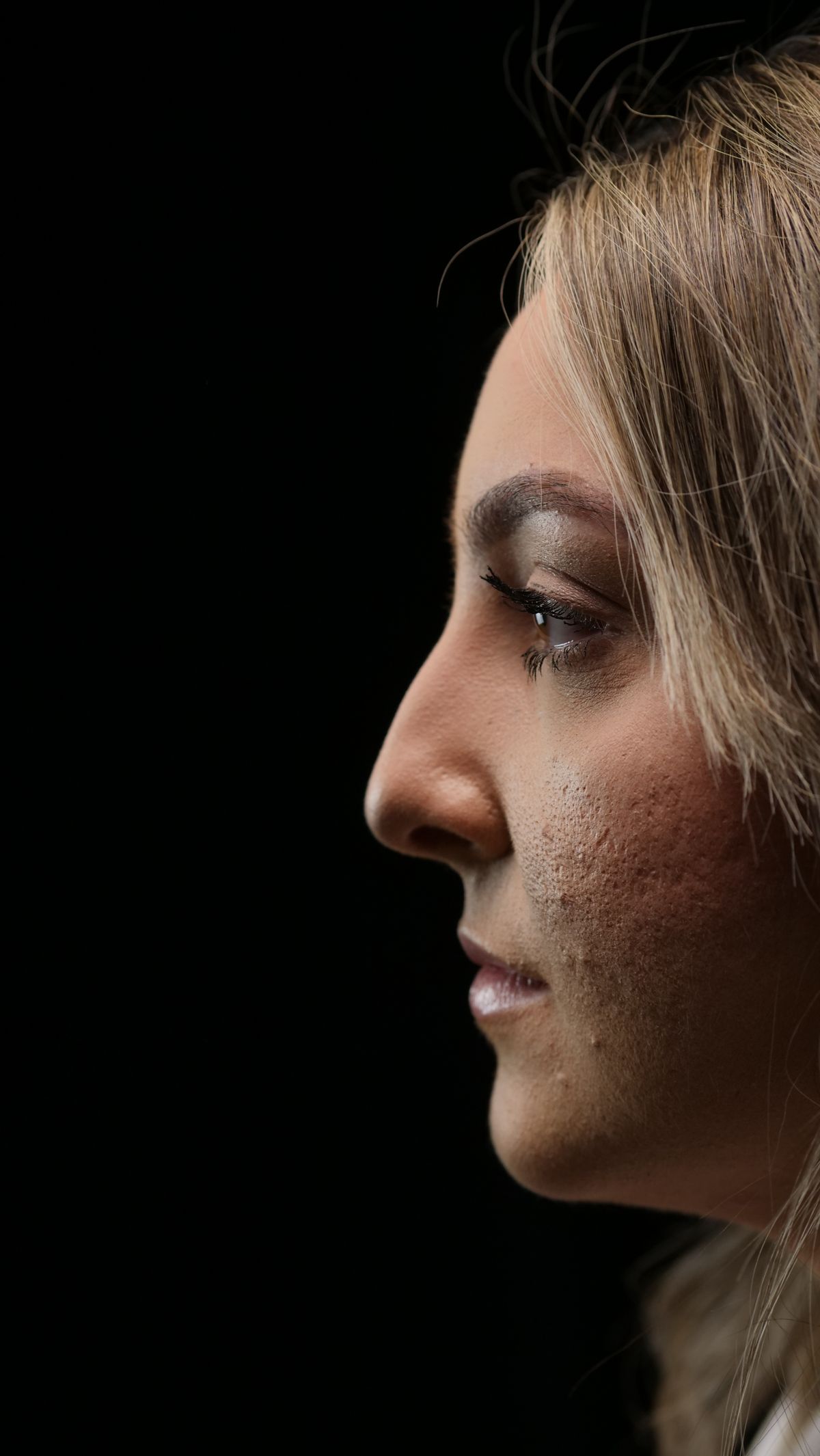
Ethnic rhinoplasty describes a surgical planning philosophy that respects the patient's ethnic nasal characteristics and aesthetic identity rather than applying a single standardised ideal. The goal is a result that harmonises with the individual face — not one that erases ethnic features. Functional and aesthetic goals are evaluated together from the outset.
Which Nose Types Does Ethnic Rhinoplasty Address?
Ethnic rhinoplasty is not limited to one group. Common structural presentations:
- Middle Eastern nose: High dorsum with hump, prominent tip, thick subcutaneous tissue
- African and sub-Saharan nose: Wide alae, low dorsum, thick skin, limited tip projection and cartilage support
- East Asian nose: Low dorsum, under-projected tip, fine cartilage, thin-to-medium skin
- South Asian nose: Thick skin, wide base, variable dorsum height, often requires structural augmentation
- Mediterranean / Hispanic nose: Moderate-to-high hump, prominent tip, medium-thickness skin
Each of these presents within a wide range of individual variation. "Ethnic type" is a framework, not a fixed category — individual anatomy is always the primary reference.
What Makes Ethnic Rhinoplasty Technically Demanding?
Ethnic rhinoplasty often requires technique adaptations that differ from standard Western-oriented rhinoplasty:
- Thick skin: Structural refinements beneath the skin may not translate as clearly to the surface; robust cartilage grafting strategies are critical for tip definition.
- Cartilage quality: Weak or flexible cartilage structures require strong graft support to maintain long-term shape.
- Wide alar base: Alar base reduction must carefully preserve the anatomical relationship between the nostrils and the upper lip.
- Low dorsum augmentation: Requires different graft material and technique planning than dorsal reduction.
Each of these factors has functional implications — not only aesthetic ones.
Why Do International Patients Choose Turkey for Ethnic Rhinoplasty?
Istanbul draws a high volume of patients from the Middle East, North Africa, South Asia and Eastern Europe. This geographic breadth gives Istanbul-based surgeons continuous exposure to a wide variety of ethnic nose types, including thick-skinned cases, augmentation-dominant anatomies, and combined functional-aesthetic presentations.
ENT training adds a further dimension: functional evaluation of the airway, septum and turbinate system is built into the diagnostic process, which is particularly relevant when breathing problems accompany the aesthetic concern.
Ethnic Rhinoplasty Cost in Turkey: Compare Written Quotes
There is no verified clinic-wide price on this page. Costs depend on the proposed scope, graft source, anaesthesia, facility and follow-up. Country or price alone does not establish the quality of a surgeon or hospital. Verify the named surgeon, licensed facility, aftercare responsibilities and exclusions before booking.
Always request a written itemised quote specifying which procedures are included, graft source, anaesthesia type, and what post-operative care is covered.
Recovery After Ethnic Rhinoplasty
Recovery follows the general rhinoplasty arc with some type-specific considerations:
- Weeks 1–2: Swelling and bruising are expected; splint and sutures are managed during this period.
- Weeks 2–6: Most visible swelling reduces; return to social and work activities is common in this window.
- Months 3–6: Residual swelling softens; alar reduction incisions fade.
- Months 12–18: Final assessment. Thick-skinned patients in particular should not evaluate tip refinement before this point — oedema resolution is slower.
Dr. Hüseyin Arslan: ENT-Based Approach to Ethnic Rhinoplasty in Istanbul
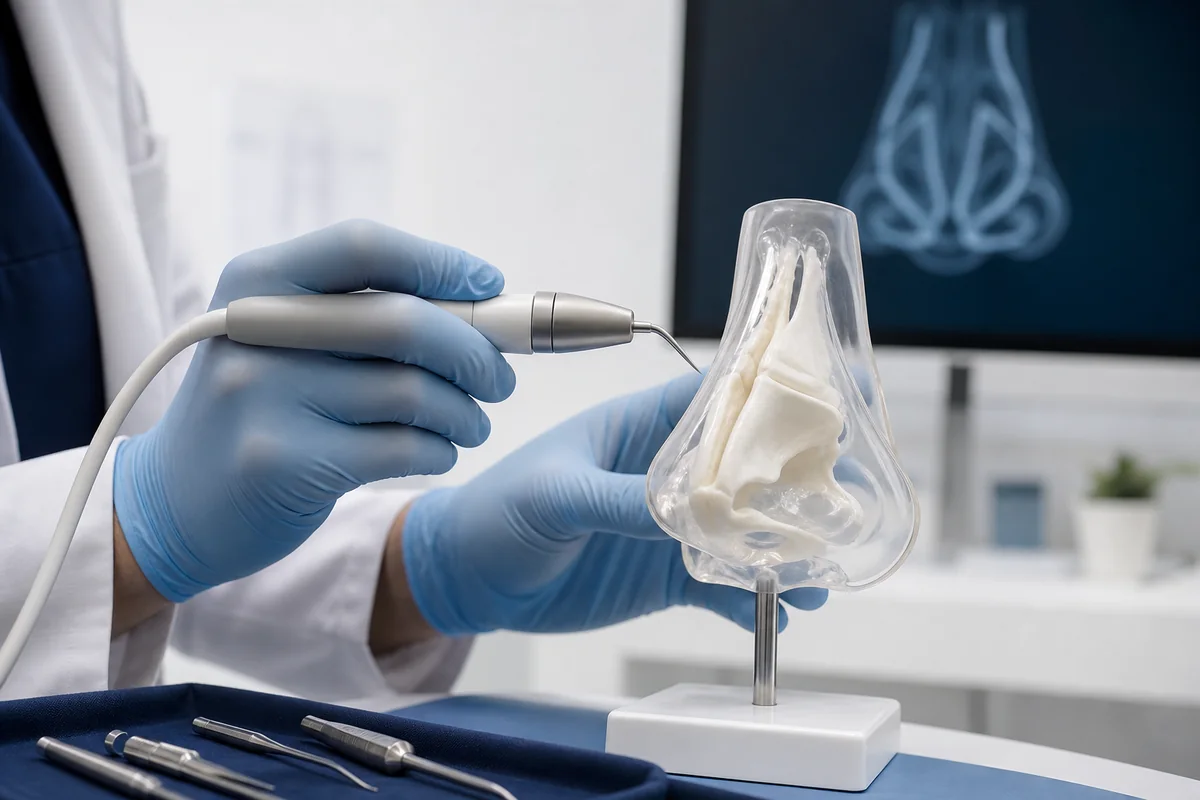
ENT training equips surgeons to evaluate nasal anatomy as a functional system — airway, septum, turbinate — alongside external aesthetics. This dual framework is valuable when the patient's chief complaint includes both breathing problems and cosmetic concerns.
Dr. Hüseyin Arslan completed medical school at Ege University and ENT residency at GATA, and practices in Şişli, Istanbul. His multilingual clinic (Turkish, English, Arabic, Russian) serves international patients with remote pre-consultation options available before booking travel.
Frequently Asked Questions
Does ethnic rhinoplasty change your identity?
The goal of ethnic rhinoplasty is not to erase ethnic features but to achieve the change the patient wants while maintaining harmony with the face as a whole. Precisely which features are preserved and which are modified is determined during consultation.
Can dorsal augmentation work on thick-skinned patients?
Yes, but graft material selection and placement are critical when the skin is thick. How much of the structural change translates to the surface depends on skin thickness, graft type, and surgical technique. Realistic expectation-setting during consultation is essential.
What graft options are available for nasal augmentation?
Common options: rib cartilage (autologous — from the patient's own body), septal cartilage, ear cartilage, and in specific indications, synthetic implants (silicone or ePTFE). The choice depends on the augmentation volume needed, the patient's anatomy, and the surgeon's assessment.
Is alar base reduction always part of ethnic rhinoplasty?
No. Alar base reduction is only planned when the proportional analysis at examination indicates it would benefit the overall result. It is not applied routinely to any ethnic group.
How much does ethnic rhinoplasty cost in Turkey in 2026?
Request an individual written quote after clinical assessment. Compare the same surgical scope, graft source, facility, anaesthesia, follow-up and exclusions; an online estimate is not a confirmed treatment price.
How long should I stay in Istanbul?
Your stay and return flight should follow your surgeon's individual assessment and early postoperative checks. A fixed number of days is not fit-to-fly clearance. Keep travel bookings flexible and discuss flight duration and your health history before booking.
Can I have an initial consultation remotely?
Yes. A photograph-based remote assessment gives the surgeon a preliminary view of anatomy and goals. The definitive surgical plan is established at in-person examination, but a remote session can answer many questions before the patient commits to travel.
How do I reach Dr. Hüseyin Arslan's clinic?
Contact the clinic via the website or WhatsApp. Video consultations are available in Turkish, English, Arabic and Russian before booking travel.
*This content is educational. Treatment decisions are made after individual clinical assessment.*
Medical sources
These sources support general medical information and do not replace an individual assessment.
Want to Get a Consultation?
Contact us for more information or to schedule an appointment about this topic.
Rhinoplasty in Turkey: procedure and consultation
Op. Dr. Hüseyin Arslan
ENT Specialist Surgeon
Combines ENT expertise with nasal function, facial anatomy and aesthetic surgical planning.
Personal preliminary review
How does this apply to your case?
Share your concern and photos if available. A preliminary review provides general guidance; the final plan requires an examination.