Is there a fixed return-to-work day after a facelift?
No. Surgical scope, combined procedures, wound and swelling findings, type of work, health and individual healing all matter. Personal clearance should follow the early reviews.
How Long Does Facelift Recovery Take?
Direct answer: There is no universal day-by-day facelift recovery timetable. Swelling, bruising, tightness and numbness are expected early; NHS patient information describes bruising that stays visible for at least two weeks and swelling that can last weeks or months. Return to work, exercise and flying must be personalised to the operation performed, wound findings and in-person reviews.
What Changes the Recovery Timeline?
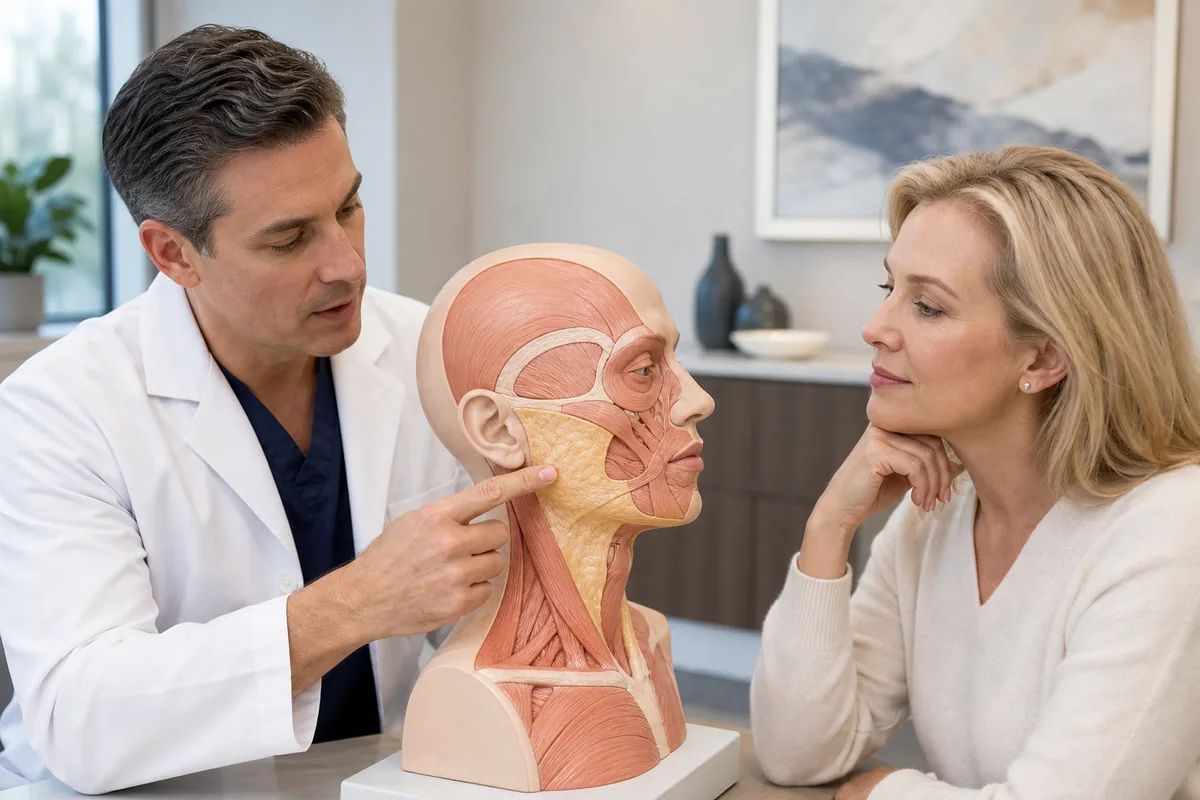
The scope of surgery: SMAS or deep plane facelift, neck lift or platysmaplasty, and any combined eyelid or other procedures
Skin quality, the individual swelling response and bruising tendency
Nicotine use, blood pressure, medicines and supplements that affect bleeding, and other health conditions
Wound healing and any haematoma or other complication
Adherence to the written aftercare plan
Another patient's social-media timeline is therefore not a reliable benchmark for individual recovery.
The First Days: Protection and Monitoring
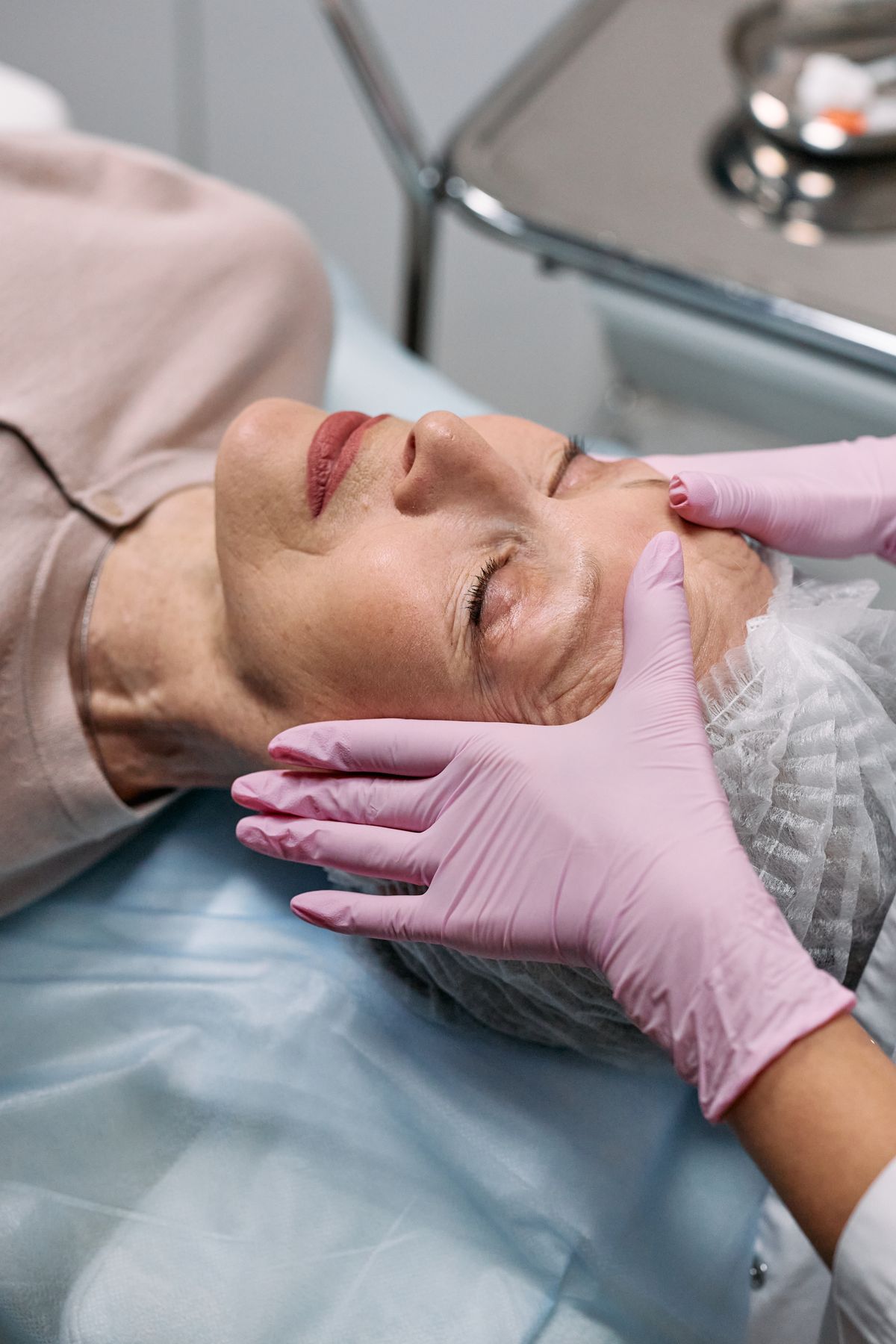
A bandage and, in some cases, small drains may be used to limit swelling and remove excess fluid. Keeping your head raised on pillows for the first days may be advised. Follow the prescribed medication, incision and drain care; ask the surgical team before adding over-the-counter medicines or supplements.
Early Reviews: Drains, Stitches and Wounds
The timing of drain removal and stitch review depends on the materials and the procedure; NHS information notes that non-dissolvable stitches are usually removed after about 7 to 14 days. Do not remove anything yourself. Reviews assess the wound, bleeding, swelling and facial movement, then update plans for washing, makeup, work and travel.
The Following Weeks: A Graded Return
NHS information advises avoiding strenuous activity, saunas and massages for at least two weeks. Exercise, heavy lifting, hair colouring and other activities restart when the surgical team clears them individually. Fading bruises do not mean healing is complete; tightness and numbness can last longer.
The Following Months: Swelling, Sensation and Scars
Fine swelling and sensory changes settle gradually and not in a straight line. Scars mature over months; they should fade but will not disappear completely. A final result cannot be tied to a fixed month, and ageing continues after surgery.
Flying Home After a Facelift
There is no single safe flight day. Clearance should consider bleeding and swelling, drains and wound status, signs of a complication, combined procedures, mobility and clotting risk, flight length and access to follow-up at home. An international aftercare plan should state:
The first in-person reviews and any possible extra review
The clinical criteria used for travel clearance
The urgent contact and facility in Turkey
Photo/video follow-up and in-person care when needed after returning home
Responsibility and treatment arrangements if a complication occurs
When Should You Seek Urgent Help?
Use the warning list provided by your surgical team and contact the clinic as soon as possible for severe pain or any unexpected symptom. Do not wait if there is rapidly increasing swelling or pain on one side of the face or neck, bleeding that does not stop, fever with increasing redness or discharge, new facial weakness, chest pain, shortness of breath, or a painful swollen calf. Contact the surgical team and an appropriate emergency service.
This guide is general information; individual aftercare and travel clearance require clinical assessment.
Related questions
When can I fly after a facelift?
There is no universally safe flight day. NHS guidance on cosmetic surgery abroad says air travel and major surgery increase the risk of a blood clot, which can be life threatening, and recommends not flying for 7 to 10 days after facial cosmetic procedures; that recommendation does not replace individual clearance. Do not fix travel before reviewing the operation, early examination, bleeding or complication signs, mobility, medical history and flight length.
Will facelift scars become invisible?
No. Incisions may be planned around the hairline and ear creases where appropriate, but every surgical incision creates a scar. Its appearance varies with skin, healing, tension, infection, sun exposure and individual tendency.
Medical sources
These sources support general medical information and do not replace an individual assessment.